

Managing Ongoing Stress Can Be a Challenge
Stress is a normal part of life. It can be either acute or chronic and can be caused by anything that poses a challenge in life. This can include jobs, relationships, long term illness, or events. If left unmanaged, the effects of stress can lead to physical, psychological, and even emotional problems. Some health care professionals believe that some (acute) stress can be a good thing, but chronic stress is not.
Therefore, our objective should be learning to manage long-term stress. Reducing stress can be achieved via meditation and relaxation techniques, as well as exercise, and the use of dietary supplements.
Read on about how chronic stress affects us physically and mentally. You may be surprised at the consequences.
Common symptoms and results of stress can include:
- A fast heartbeat
- Anxiety
- Depression
- Sleep disturbances
- A headache
- A stiff neck and/or tight shoulders
- Back pain
- Fast breathing
- Sweating, and sweaty palms
- An upset stomach, nausea, or diarrhea
Physical and Emotional Effects of Stress Over the Long Term
In healthy people, the nervous system helps maintain a balance between a stress response and relaxation. However, for some people, this system remains on guard, which makes them unable to relax. If this situation becomes chronic, a whole variety of physical and emotional stress-related symptoms and illnesses can follow.
Physical Effects of Stress Symptoms:
- Accelerated aging
- Decreased immunity
- Heart disease
- Digestive issues
- Hormone imbalances
- Skin issues
Emotional Effects of Stress Symptoms:
- Feel cranky and unable to deal with even small problems
- Feel frustrated, lose your temper more often, and yell at others for no reason
- Feel jumpy or tired all the time
- Find it hard to focus on tasks
- Worry too much about small things
- Feel that you are missing out on things because you can’t act quickly
- Imagine that bad things are happening or about to happen
Products to Help Combat the Negative Effects of Stress
While stress seems to be unavoidable these days there are supplements that can help support you physically and mentally.
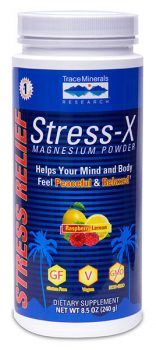 Stress -X Magnesium Powder offers instant absorption of magnesium, an essential mineral needed for hundreds of body processes, including those that manage the nervous system and response to stress.
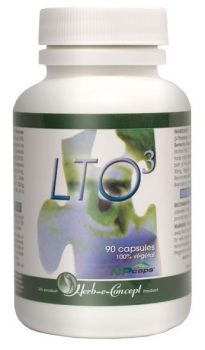 LTO3 with L-Theanine offers a unique formula which may naturally encourage relaxation without drowsiness. It also contains scullcap, believed to alleviate stress and anxiety while acting as a nerve tonic.*
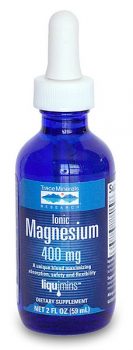 Ionic Magnesium drops is an easily absorbed liquid form of magnesium plus over 72 trace minerals. Benefits include the aiding in the absorption of calcium, helping to maintain a healthy cardiovascular system, and soothing the nervous system.*
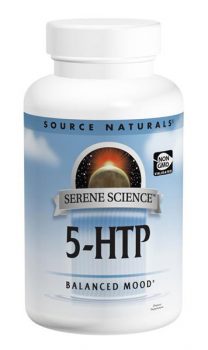 Serene Science 5-HTP supports a balanced mood and may help with normal sleep cycles.* Clinical studies have shown that it may increase the amount and availability of serotonin, which helps support mood, eating habits, and sleep cycles that are affected by stress.*
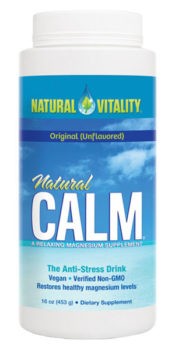 Natural Calm is a effervescent drink from Natural Vitality that promotes healthy magnesium levels and balances calcium intake, helping you to feel less stressed and more relaxed. Good health is all about balance. Comes in Unflavored and Raspberry-Lemon.
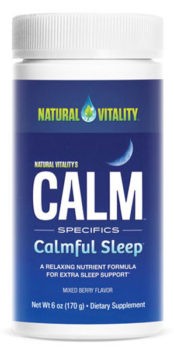 Calmful Sleep was designed for those times when you need a little extra help getting enough rest.Calmful Sleep starts with Natural Calm and magnesium glycinate to soothe nerves, relax muscles and provide support for over six hundred various functions in your body. This magnesium blend also balances your calcium intake.
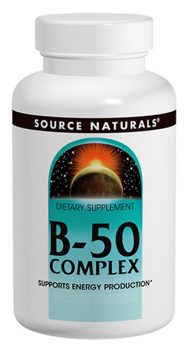 B-50 Complex supports energy production and can help alleviate the symptoms of anxiety and stress such as mood swings and improper nerve function.*
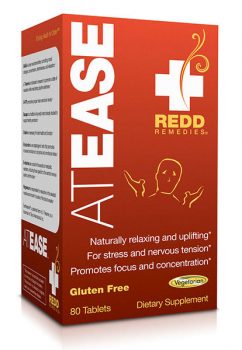 At Ease from Redd Remedies combines herbs and minerals which may support nerve, brain, adrenal and other physical responses to stress.