


|
|

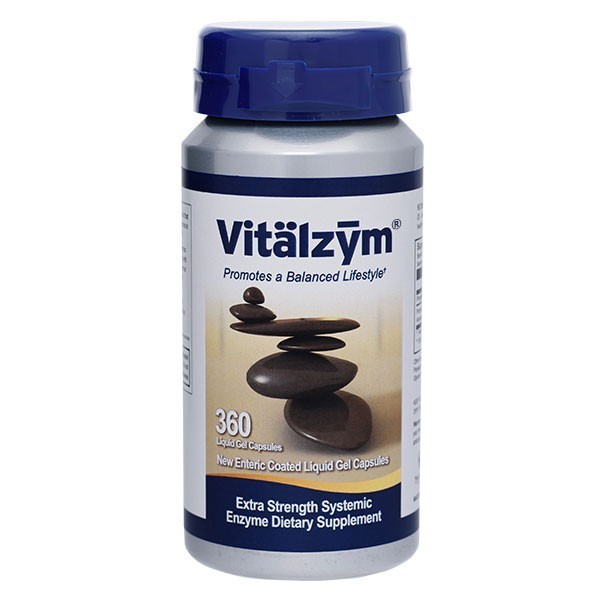
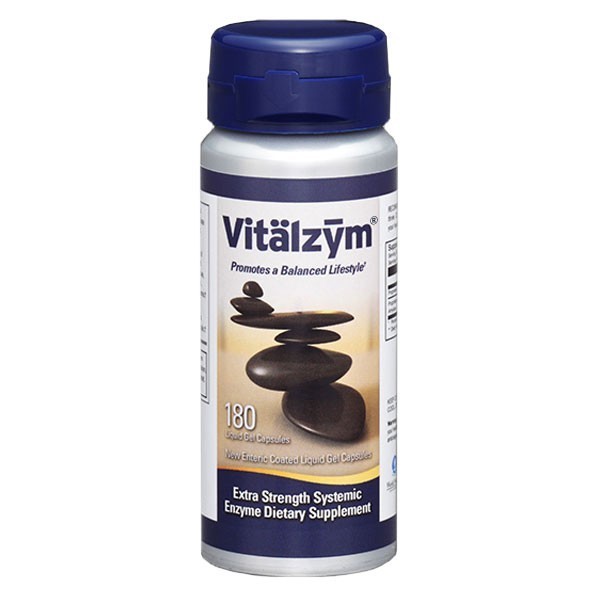
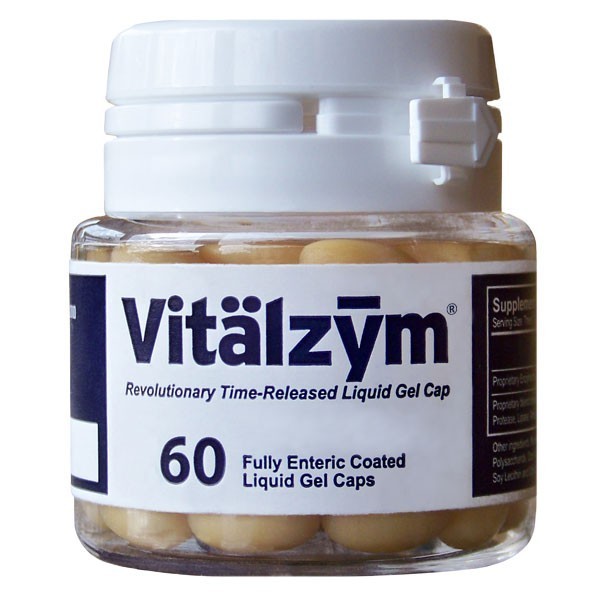


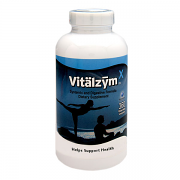
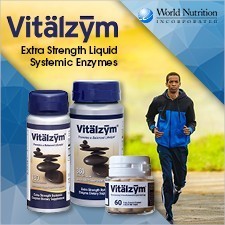
Vitalzym® Extra Strength contains potent proteolytic enzymes designed to support health and promote healing and repair. Enzymes are said to be the “sparks of life.” They are considered keys that can unlock the door to a healthier you because they maintain millions of bodily functions. All metabolism and metabolic processes that occur within the body require enzymes for them to take place. We must have an adequate supply of enzymes to survive. Vitalzym works synergistically to provide total system support.
Vitalzym® Extra Strength liquid enzymes are the world’s leading all-natural, vegetarian systemic enzyme supplement, and the only enzyme product with liquid enzymes. Vitalzym features an unmatched proprietary blend that includes Serrapeptase, Bromelain, Papain, Rutin, Amylase, Protease, Lipase and Amla Extract combined in a base of medium-chain triglycerides (MCT) oil from coconuts. These softgel capsules are available in 60, 180, and 360 count bottles.
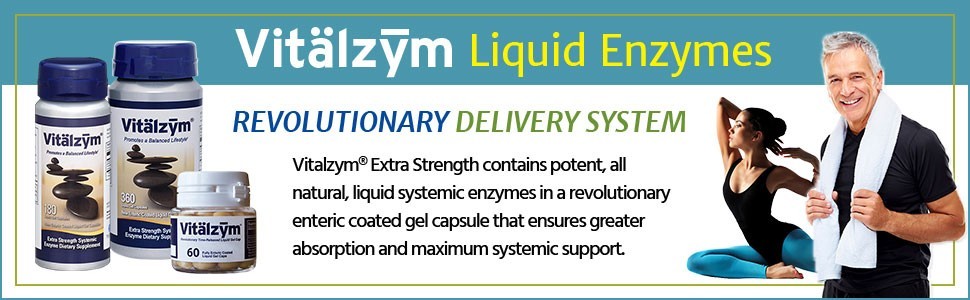
Vitalzym® is the only systemic enzyme on the market today boasting the revolutionary enteric-coated, liquid-enzyme delivery system. Unlike many of the competitors’ tablet or powder-based products, Vitalzym’s enteric-coated, liquid-gel system ensures that 100 percent of the enzymes survive the harsh acidic environment of the stomach and reach the small intestine, where they become available for absorption into the bloodstream and then are dispersed throughout the entire body.†
Every enzyme in Vitalzym® was chosen for its unique purpose. The enzymes are best combined for their synergetic effect upon the body’s function, known as an enzymatic cascade reaction. A single enzyme simply cannot provide the same benefits. Vitalzym’s research and development facilities in Japan chose a specific combination of enzymes to formulate Vitalzym Extra Strength. Each enzyme is at its proper potency (neither too little nor too much). According to Dr. Peter Streichhan, a world-renowned enzyme researcher from Germany, "enzyme mixtures have a wider range of therapeutic advantages than do individual enzymes."1
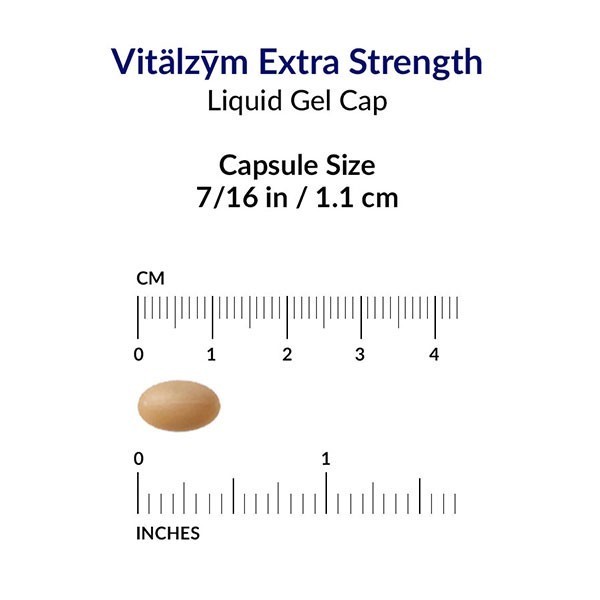
What does this mean for you? Bottom line, you’ll be enjoying a smaller, easy-to-swallow capsule, taking less capsules per each dose and less doses per day to receive maximum systemic support compared to other systemic enzyme products. Thanks to the advanced delivery system, superior potency, unrivaled absorption rates, and reliable consistency of enzymes, you won’t need to wait three months to see results.

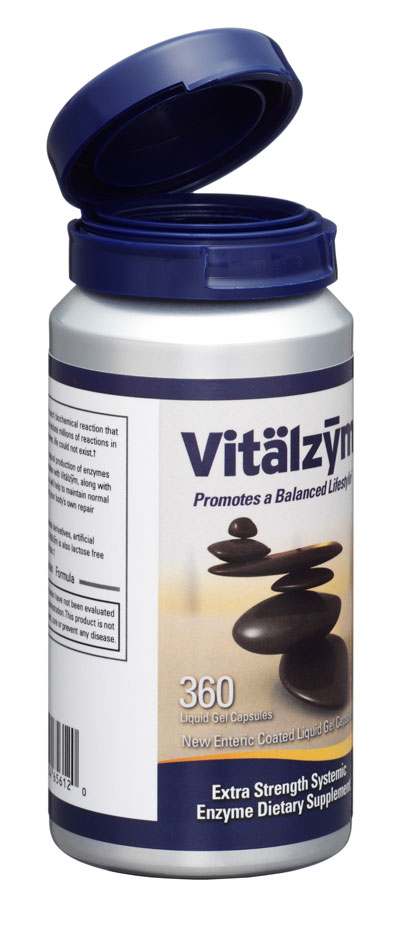
Vitalzym Extra Strength has been formulated with a technologically advanced delivery system that allows for reduced dosage and vastly increased effectiveness as compared to other systemic enzyme products.
"Every day, researchers throughout the world are discovering new enzymes and new therapeutic uses for them ... Researchers are even studying enzyme replacement therapy devising new treatment methods for diseases that they have historically been unable to treat.This includes many diseases that result from inborn errors of metabolism, such as the inability of the body to make a particular enzyme."1
Our bodies have a variety of functional units, such as a digestive system, an immune system, a cardiovascular system, and a circulatory system. Each system requires energy in order to perform optimally. It just so happens that enzymes provide this much needed energy for the successful completion of each biological function.
They are proteins that are responsible for every chemical reaction that goes on in your body—governing all functions related to your tissues, muscles, bones, organs, and cells. Every second of our lives, over 3,000 different enzymes are constantly renewing and changing, often at unbelievable speeds.
When referring to enzymatic supplements, it's important to distinguish between those used for digestion and those used systemically.
Enzymes have been studied since the early 1900s. Even though there is over a century's worth of information regarding their use, there is still a lot to learn about them. However, one certainty is that we would not exist without them.
Over the last decade, science has uncovered numerous roles for enzymes than ever thought possible. They initiate millions of reactions within your body. In fact, many health care professionals are now advocating the use of enzymes for various conditions and post-operative healing.
Enzymes are one of the fundamental building materials that are required in all metabolic processes. A deficiency in systemic enzymes can lead to accelerated aging, slower healing, sluggishness, increased aches and pains, and ultimately a weakened immune system.†
Some health care professionals believe that our natural production of enzymes starts to decrease after the age of 27. It is not too long after this that many of us begin to notice symptoms of low enzyme production, which can include:
"Our body's ability to function, to repair when injured, and to ward off disease is directly related to the strength and numbers of our enzymes.”1
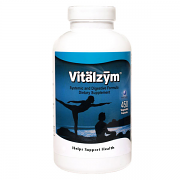
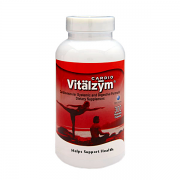
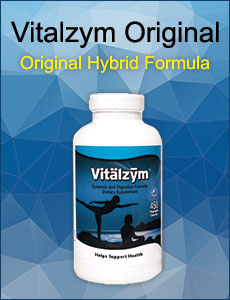
Supplemental enzymes like those in Vitalzym Extra Strength, Vitalzym Cardio, and Vitalzym Original Hybrid Formula along with proper diet and exercise can help to maintain your normal enzyme levels and balance your body's own repair mechanisms. They can also help support a healthy inflammation response and minimize fibrosis conditions.†
Read about using Vitalzym Extra Strength on our Suggested Use page:
 Looking at the delivery system refers to how the enzymes are manufactured, whether it is a powder inside a capsule, a tablet, or as an enteric coated capsule—which is the most effective, state of the art delivery system on the market today. Include liquid enzymes in that enteric coated capsule, and you have the most effective systemic enzyme product available.
Note: Not all enzymes are manufactured with enteric coating, and so often a premature release of certain enzymes can cause minimal if any absorption of the ingredients in the bloodstream where they belong.
*(approximately 1st 10" of small intestine)
At the center of the advanced delivery system is the Solubilized Liquid Enzyme Filled Gel Capsule used to enhance the absorption of Vitalzym. The technology of liquid-filled capsules is superior to that of capsules filled with powder because it uses low heat production, provides more uniform dose distribution, and prolongs enzyme activity.
Optimal Distribution – Liquid enzyme blends provide a more uniform dose consistency, because the mixing of liquids allows for optimal particle distribution. In powder formulations, each particle of a different enzyme is different in size, causing greater friction between particles during mixing. Excipients are introduced to powder formulations to increase the mixability, but liquids still provide far more even distribution of ingredients, allowing for more consistent dosages in each capsule.
Prolonged Enzyme Activity – Enzymes always retain some amount of moisture when they are produced. Enzymes, as proteins, are more susceptible to denaturation at higher moisture. However, even with lower moisture, enzyme powders will lose some of their activity over time, resulting in a loss of up to 20% of activity over a 12-month period. Vitalzym® enzymes are combined in medium-chain triglycerides (MCT) oil derived from coconuts. It is then decompressed during the manufacturing process, which removes the moisture completely. As a result, the loss of enzyme activity over time due to moisture will not occur after Vitalzym is produced, maintaining nearly 100% of the activity levels.
Low Heat Production – Powder enzyme blends are available today that use an enteric coating, but they are typically in tablet form. The disadvantage of these blends is the amount of heat created with compressing the ingredients into a tablet. Enzymes are susceptible to high temperatures and may begin to degrade during the manufacturing process. Solubilized Liquid-Filled Gel Capsules allow for an enteric coated enzyme product without activity loss from heat. Throughout all of the processes, Vitalzym is produced under strictly controlled temperature ranges.
Vitalzym® is manufactured to have at least a 2-year shelf life with no loss of activity when properly stored in a cool, dry place with the lid tightly closed.
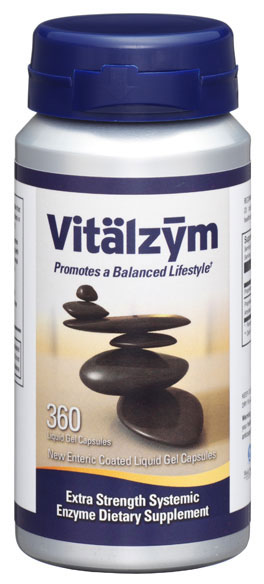 Vitalzym is formulated for use with an enteric coated gel capsule manufactured under pharmaceutical-grade guidelines.
Though revolutionary to nutritional systemic enzyme blends, this enteric coating process is similar to that used in today's most advanced products. The capsule has an all-natural shell barrier that allows it to withstand the extremely low pH levels found in the stomach. Once introduced to the pancreatic juices in the duodenum (upper small intestine), the shell barrier breaks down to release the enzymes it contains. The enzymes are then absorbed into the bloodstream through the lining of the small intestine.
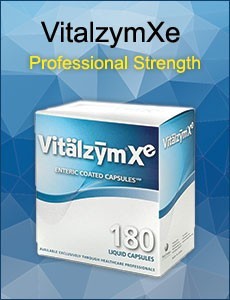
The manufacturing of VitalzymXe undergoes a high level of quality control. This applies to all aspects of making this product. Each individual capsule is eye inspected by two people 2 times. The facility's clean room has the highest quality air sterilization system available today. ISO Class 5 facility is considered a high-grade cleanroom and is typically required for aseptic applications such as sterile filling of pharmaceutical products into containers, for example. This achieves CLEAN to the extent that any person entering the production facility must go through a total body sterilization process. An ISO Class 5 cleanroom equates to EU GMP class A and B, and BS 5295 Class E and F.
The enteric coated gel capsule has been designed to pass both the USP (United States Pharmacopeia) and JP (Japan Pharmacopeia) disintegration tests for enteric coated capsules. Every batch is tested to ensure it meets the agency guidelines before exportation to the U.S.
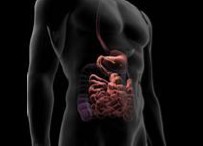 When taking a typical supplement, the capsule or tablet is swallowed and travels down the esophagus to the stomach. In the stomach, the tablet or capsule is churned and gyrated in the highly acidic digestive secretions with pH 1.0-4.0, for 45 minutes to 2 hours.
If there is anything left of the table or capsule (and its contents), it will be passed through the duodenum to the small intestine.
The effectiveness of any systemic enzyme is determined by the amount of activity level in the bloodstream after the enzyme has been absorbed from the small intestine. Systemic enzymes, whose activity is significantly reduced in an acidic environment, must be protected from it for their utmost effectiveness.
Some enzymes will begin to lose their activity once introduced into the low pH (1.0-3.0) acids of the stomach. The amount of activity loss is dependent upon the individual enzyme and the amount of time it spends in the stomach.
Stomach acid breaks down tablets and capsules to prematurely release active ingredients (enzymes). The highly acidic environment of the stomach destroys the majority of the enzymes' activities. If the tablet is of poor quality (contains binders and fillers) the product may pass through both the stomach and intestine with no absorption.
Studies have shown that certain unprotected enzymes can lose up to 100% of their activity in fewer than 30 minutes in pH levels below 3.0. The only reliable method of ensuring that 100% of the enzymes are not destroyed by the stomach acid is to enteric-coat the enzymes.
Taking enteric coated Vitalzym can be an effective way to insure that the enzymes in this formula reach the small intestine where they can be absorbed into the bloodstream in order to obtain the utmost effectiveness.
Over the years, there have been various methods of enteric coating to help protect the enzymes that can be destroyed by stomach acid and some have been proven to be more effective than others. As you will see, the latest technology of enteric coating has been used to protect the enzymes in Vitalzym.
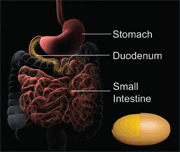 The all natural protective coating of Vitalzym® Extra Strength enteric coated liquid gel capsule prevents the enzymes from being destroyed by the stomach acids. The pancreatic juices break down the coating in the duodenum. This makes nearly 100% of the enzyme contents available for absorption into the bloodstream.
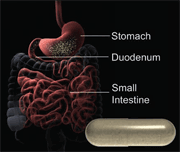 Powder filled capsule technology is suitable for contents that are not susceptible to the acidity of the stomach. The capsule and its enzyme are dissolved prematurely in the stomach, resulting in up to 100% destruction of the enzymes within 30 minutes in the extremely low pH environment.
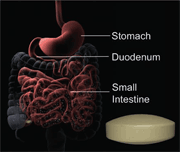 Enteric coated tablets are able to withstand stomach acids; however they must be introduced into a high pH environment for extended periods before dissolving. Since individual pH levels vary, the tablet may dissolve very late in the small intestine or bypass it completely. Many users also complain of the synthetic coating.
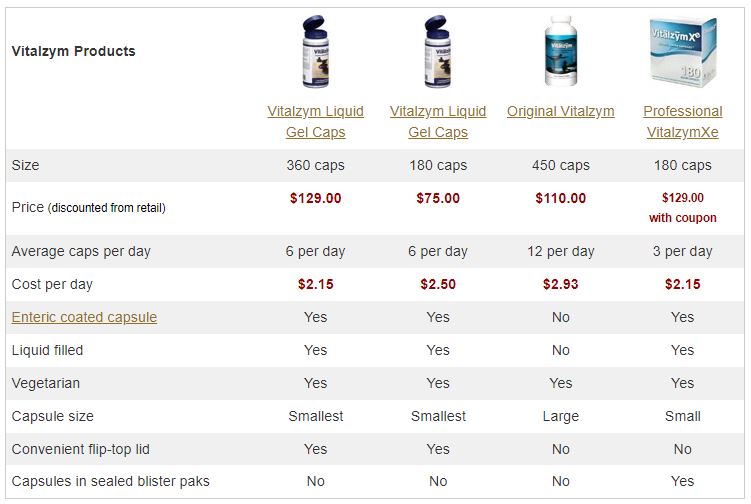
Vitalzym® is a trusted name in systemic enzyme supplementation. World Nutrition has produced extremely popular enzyme formulas for years, and now they bring you the latest technology in enzyme production with Vitalzym Extra Strength.
SMALL CAPSULES Serving Size: Three (3) capsules
Servings per container: 120, 60, or 20
Amount per serving: 168 mg **
Ingredients: Proprietary Enzyme Blend of bromelain, papain, rutin, amylase, protease, lipase, amla, and serrapeptase.
Other Ingredients: Medium-chain triglycerides**, starch, glycerin, polysaccharide, pH resistant enteric coating, beeswax, glycerin fatty acid ester, lecithin, citric acid.
For a full description of these ingredients, see the Ingredients page.
You may notice a strong aroma from the capsules. It has been described as a vinegary or musty scent. This is a natural aroma from the highly concentrated enzymes inside the capsules.
**The MCT Oil (Medium-chain triglycerides) is used to enhance the effectiveness of the enzymes by protecting them from degrading. Each capsule contains 82.19 mg of MCT oil, derived from coconuts. If a person takes 10 capsules per day, they are consuming 822 mg of MCT oil.
Vitalzym is natural and 100% vegetarian. It contains no artificial flavors, artificial colors, yeast or gluten. Vitalzym is also lactose free and contains no harmful talc.
Manufactured in Japan for World Nutrition, Inc. Vitalzym® passes both the USP (United States Pharmacopeia) and JP (Japan Pharmacopeia) testing for disintegration and dissolution. USP is a publication established in 1820 that contains legally recognized standards of identity, strength, quality, purity, packaging, and labeling for drug substances, dosage forms, and other therapeutic products, including nutritional and dietary supplements. Every batch is tested to ensure it meets the agency guidelines before exportation to the U.S.
 Vitalzym is protected by a recyclable aluminum can that provides optimal protection for prolonged potency and shelf life.
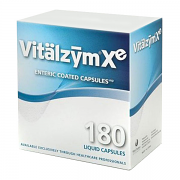
World Nutrition, Inc. currently imports three products from Japan: Extra Strength Vitalzym®, Vitalzym®Xe Professional Strength, and Ketsumeisei.
Original Vitalzym® is manufactured in the United States.
With concerns arising from the 2011 natural disasters in Japan, we want to inform our customers that World Nutrition, Inc. is committed to ensuring that none of the products we ship to our customers are contaminated with radiation.
The following statement is from World Nutrition:
Our manufacturing facility in Japan is located in Shizuoka which is on the southwest side of the island, approximately 250 miles away from where the affected power plant is located. This location brings with it a completely different supply of groundwater. It also has the benefit of having the massive natural barrier of Mt. Fuji, thus defending against the slightest chance of air flow and weather patterns having any effect. This is true especially as the weather moves from west to east – taking any polluted air away from our facility instead of towards it.
More importantly we have numerous steps in place to validate its safety. All of our raw materials are tested upon arrival at our facility overseas. Once those ingredients have passed inspection, the product is manufactured and tested again. Once passed it is prepared for shipment. Our cartage company tests every single thing they carry from Japan, so it is tested again. Once passed, it is brought over to the US. Once it arrives, Customs tests it again. After it passes the FDA does their inspection and tests it again, since the product is registered as a food supplement. Once they pass and release it, the product goes to our fulfillment center. We have a lab that we work with here in Arizona where we send randomly pulled samples from our shipment for testing. Once they pass it, only then do we accept it into our inventory. It is a very costly and elaborate process, but once we have all 6 different validations of its safety – all from different independent sources – then we feel quite comfortable offering the product to our customers.
When we say "passed," we do not mean that it is deemed by a handful of people to be at a tolerable level… we mean it has come back with an reading of ZERO radiation.
If you have any further questions or concerns, please feel free to contact World Nutrition at 800-548-2710.
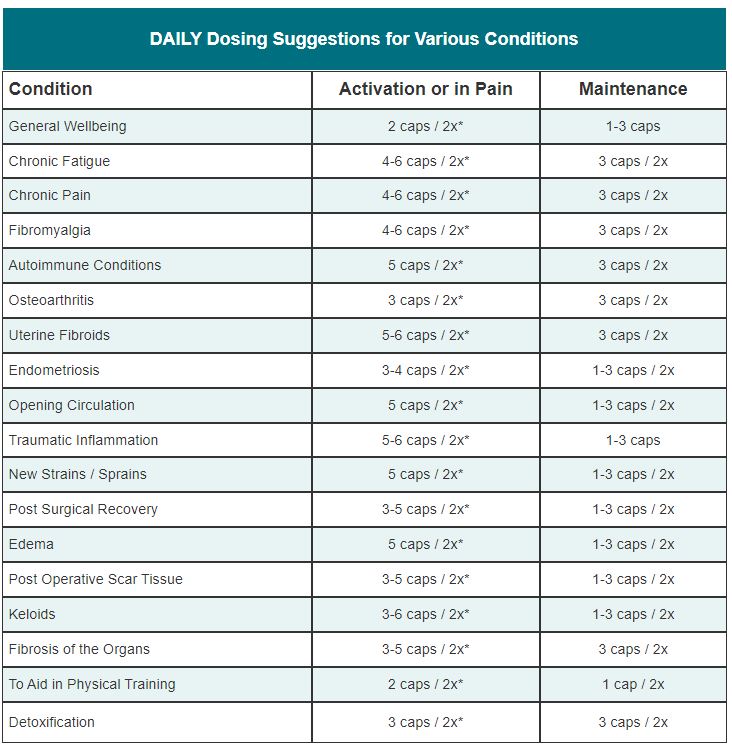
As a dietary supplement, take 3 capsules daily, or as recommended by your healthcare professional. Take capsules at least 30 minutes before a meal, 60 minutes after a meal, or any time in-between meals. Or, take an activation dose as recommended by a healthcare professional.
WARNING: DO NOT take Vitalzym without the consent of your physician if you are lactating or currently taking prescription anticoagulants (blood thinners). As always, you should consult with a health care professional and/or pharmacist if you are taking prescription medications and would like to include dietary supplements into your regimen.
Not everyone should take Serrapeptase. This includes:
During the detoxification process, medications that have been stored in the liver may cause one to experience side effects that are related to its use and would not be considered a side effect from Vitalzym.
Please talk with a health care professional if you feel you may be having symptoms that are unrelated to detoxing. Detoxification effects that can occur when taking Vitalzym can include heart palpitations for some individuals. If this occurs, you can reduce your dose to minimize the cleansing response. If you do experience heart palpitations that you feel may be unrelated to detoxing, please consult with a health care professional.
Additionally, Vitalzym can increase the effectiveness of certain medications; another reason to consult with a doctor or pharmacist prior to using them if taking prescription drugs.
Dr. Cichoke says, "There appear to be no side effects of long-term duration when taking oral enzymes. Temporary side effects (that will disappear when therapy is discontinued or reduced); include changes in the color, consistency, and odor of the stool. Gastrointestinal disturbances, such as flatulence, a feeling of fullness, diarrhea, or nausea, may occur in individual cases, and minor allergic reactions (reddening of the skin) are rare and occur only with high doses." He also goes on to say that no detriment has been associated with long term usage of supplemental enzymes and best results can be seen when doses are divided throughout the day rather than taken all at one time.1
1. Cichoke Enzymes and Enzyme Therapy, (Keats Publishing, Chicago, IL, 2000)
† These statements have not been evaluated by the U.S. Food and Drug Administration (FDA) or EnergeticNutrition.com. This product is not intended to diagnose, treat, cure or prevent any disease. The information provided on this site is for informational purposes only and is not intended as a substitute for advice from your physician or other health care professional or any information contained on or in any product label or packaging. You should not use the information on this site for diagnosis or treatment of any health problem or for prescription of any medication or other treatment. You should consult with a health care professional before starting any diet, exercise or supplementation program, before taking any medication, or if you have or suspect you might have a health problem, or are pregnant. When you receive an item, carefully read all labels, warnings, and directions before use. Actual product packaging and materials may contain more and/or different information than shown on this website.
NUTRITIONAL AND PERSONAL CARE PRODUCTS DISCLAIMER: Content on this site is for reference purposes and is not intended to substitute for advice given by a physician, pharmacist, or other licensed health-care professional. You should not use this information as self-diagnosis or for treating a health problem or disease. When you receive an item, carefully read all labels, warnings, and directions before use. Actual product packaging and materials may contain more and/or different information than shown on this website. Contact your health-care provider immediately if you suspect that you have a medical problem. Information and statements on this website regarding dietary supplements have not been evaluated by the Food and Drug Administration, and are not intended to diagnose, treat, cure, or prevent any disease or health condition. *Results May Vary. USE OF THIS SITE: By using this site, you signify your assent to our Terms and Conditions Agreement, Privacy and Security Policy Agreement, Shipping and Ordering Policy and International Shipping and Ordering Policy. Please read them all carefully. If you do not agree to the terms and conditions contained in these policies, you may not access or otherwise use this site. These Agreements apply to any transaction or relationship between the parties, including those related to the use of this website and/or the purchase and sale of merchandise through this website or from Energetic Nutrition, Inc. by other means, including email, telephone, or live chat communication, social media postings, and postings of reviews to the EnergeticNutrition.com website. |
|||||||

|

|
|

|
|

|
||